Upgrade Your Backyard: Modern Deck Designs From Professional Deck Specialists
Modern deck concepts can notably improve a yard's aesthetic and practicality. Skilled contractors know the value of combining beauty with utility. By carefully selecting materials and integrating vital elements, every aspect is carefully considered. Households are steadily drawn to building environments suited for unwinding and hosting guests. When examining the available alternatives, the potential for transformation grows apparent, inspiring deeper thought about how to build their ultimate backyard escape.
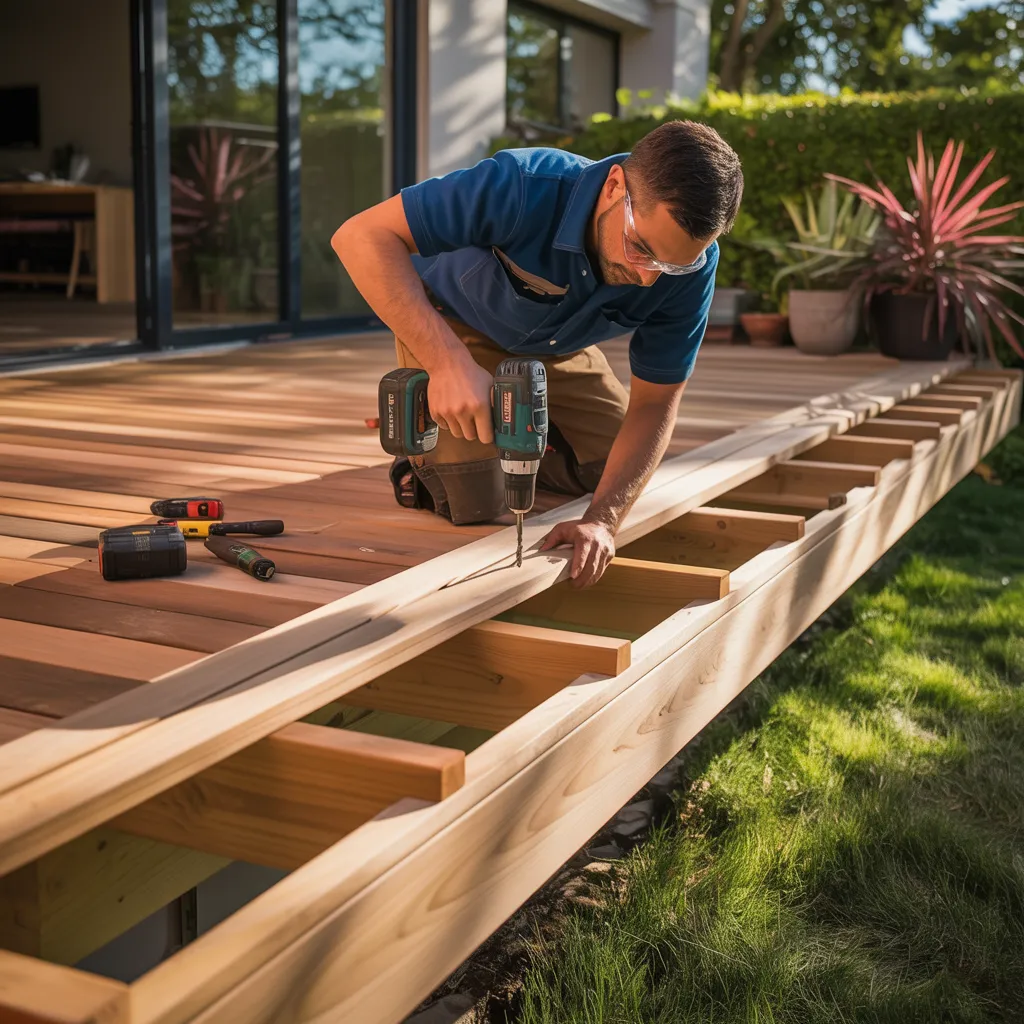
Picking the Perfect Materials for Your Dream Deck
When selecting materials for a ideal deck, homeowners often consider both aesthetics and durability. The selection of materials significantly impacts the overall look and lifespan of the deck. Wood, particularly cedar and redwood varieties, delivers a classic appeal with natural beauty but requires regular maintenance to avoid deterioration and weather-related harm. Composite materials, on the other hand, offer a up-to-date solution, combining wood fibers and plastic for a easy-care alternative that holds up against fading and splinter damage.
Aluminum and PVC have also grown in demand because of their durability and ability to withstand the elements, rendering them an excellent option for homeowners looking to minimize upkeep. Color and texture serve a vital role in enhancing visual appeal, as homeowners aim to create a cohesive look that complements their outdoor space. Ultimately, selecting the right materials involves balancing personal style with practicality, ensuring a deck that is not only beautiful but also enduring.
How to Pick a Modern Deck Style That Inspires
Choosing a current deck style calls for careful consideration of available space, material options, and current design trends. Through assessing the usable area, homeowners can determine the most suitable arrangement and elements to maximize functionality. Investigating different materials and keeping up with evolving trends guarantees the deck not only complements the home but also promotes creativity and pleasure.
Evaluate Your Space Needs
To design a contemporary deck that genuinely captivates, it's essential to first examine the area available. Homeowners should begin by measuring the dimensions of their backyard, making note of potential challenges like trees, inclines, or current structures. This assessment helps in determining the scale of the deck, making sure it enhances the surroundings without dominating them. Furthermore, thinking about the planned purpose of the deck—whether intended for social gatherings, leisure, or outdoor gardening—will impact its structure and configuration. Knowing how sun exposure and shading affect the space is also critical; it determines the ideal positioning and the overall mood. At its core, a detailed analysis of spatial considerations sets the stage for a purposeful and beautiful contemporary deck.
Browse Material Selections
As they evaluate material options, homeowners can strongly affect the overall aesthetic and durability of their new deck design. Choosing appropriate materials is essential for balancing aesthetic appeal with durable performance. Common options feature composite decking, which combines wood fibers and recycled plastic for a minimal upkeep option that holds up against decay and discoloration. Natural wood, like cedar or redwood, offers timeless beauty but requires regular maintenance to protect against the elements. Moreover, aluminum decking provides a sleek, modern look and is highly resistant to corrosion. Homeowners should also consider eco-friendly options, including reclaimed wood or eco-conscious materials, to boost their outdoor space's appeal while reducing their ecological footprint. In the end, the material decision establishes the groundwork for an welcoming exterior retreat.
Explore Design Trends
Selecting the appropriate materials establishes the foundation for discovering the newest design movements in contemporary decks. Design professionals prioritize clean lines and minimalist styles, frequently integrating natural materials such as wood and stone. Open-concept configurations stay in high demand, seamlessly blending indoor and outdoor spaces. Multi-tiered deck designs provide clearly defined spaces, encouraging adaptability and practical use. Additionally, the use of innovative lighting solutions enhances evening ambience, as eco-friendly materials demonstrate a growing commitment to sustainability. Color palettes have shifted towards earthy tones and subtle pastels, creating a calming atmosphere. Adopting advanced technology, like automated illumination and climate-resistant features, continues to grow in popularity. By adopting these design directions, homeowners can craft remarkable outdoor retreats that transform their backyards.
Space-Efficient Deck Design Ideas for Small Backyards
What options do homeowners have for making the most of a limited backyard area? Thoughtful deck layouts can turn confined areas into versatile outdoor havens. An excellent method is to implement multi-level decking, which defines dedicated spaces for rest and entertaining without crowding the area. Incorporating built-in seating along the perimeter can provide additional functionality while saving square footage.
One more approach is to consider a corner deck, which utilizes commonly underused areas and can boost privacy. Folding and space-saving furniture can also be a great asset, allowing homeowners to modify their setup as needed.
Additionally, think about incorporating vertical design features, for example wall planters or hanging lights, to pull the gaze upward, giving the impression of a larger area. By putting these space-maximizing ideas into practice, homeowners are able to appreciate an elegant and well-utilized outdoor space without the sense of overcrowding.
Include Built-In Features That Improve Your Deck's Functionality
Boosting deck performance can be attained through the integration of built-in features that cater to various needs. Permanently installed seating is a favored choice, supplying ease and maximizing space without the need for independent furniture. Moreover, embedded storage solutions, such as storage benches with concealed spaces, can help keep the deck neat and free of clutter.
Another functional enhancement is the incorporation of a custom grill or outdoor cooking area, which converts the deck into a gourmet gathering space, great for outdoor gatherings. Additionally, including planters or vertical gardens not only boosts aesthetic charm but also encourages a bond with nature.
These elements not only improve usability but also establish a unified design that integrates naturally with the overall landscape. By carefully incorporating these integrated elements, homeowners can design a deck that functions as a versatile extension of their living space, suited to their personal lifestyle and needs.
Ways to Light up Your Deck With Accessories
Including lighting accessories can turn a deck into a charming outdoor escape. Innovative illumination data choices, complemented by functional accessories, enhance both security and atmosphere. By discovering various styles and placements, property owners can achieve a stunningly lighted outside living area.
Imaginative Lighting Alternatives
An array of imaginative lighting choices can turn a backyard deck into a captivating outdoor haven. Hanging lights, hung gracefully above, create a soft, inviting setting, ideal for outdoor get-togethers. Solar-powered lanterns, placed strategically around the perimeter, deliver a delicate shine while encouraging environmental responsibility. To add a modern element, embedded lighting can be placed in steps or along railings, increasing safety while maintaining elegance. Additionally, feature lighting showcases building features or vegetation, creating visual interest. LED band lights along the edges of the deck provide a contemporary flair, while portable fire pits illuminate the space with a cozy ambiance. As a whole, these alternatives enable homeowners to personalize their deck's lighting, fostering a serene environment for unwinding and gatherings.
Practical Accessory Concepts
Innovative lighting choices improve the aesthetic of a backyard deck, but useful additions can significantly enhance its utility and character. Incorporating multipurpose furnishings, such as benches with built-in storage, optimizes space while providing both comfort and storage solutions. All-weather cushions and accent throws can enhance relaxation, making the deck a pleasant retreat. Moreover, including accent tables featuring built-in coolers provides convenient access to beverages at social events. A strategically positioned exterior rug can define areas, establishing a warm and welcoming environment. For individuals who appreciate alfresco dining, a compact grill or exterior kitchen station can turn the deck into an outdoor dining destination. These additions not only improve usability but also contribute to a stylish and cohesive outdoor living space.
Security and Ambiance Suggestions
Strategic lighting is fundamental to boosting both functionality and aesthetics on a backyard deck. Thoughtful arrangement of lighting fixtures can light up paths, staircases, and gathering areas, minimizing the chance of mishaps at nighttime events. Contractors suggest installing low-voltage LED lights for energy efficiency and longevity. Decorative lighting, like string lights or lanterns, establishes a cozy ambiance, well-suited for leisure and social gatherings. Incorporating task lighting around grilling or dining areas guarantees functionality and safety during late-night cooking sessions. Additionally, integrating smart lighting systems allows homeowners to adjust brightness and color, additionally elevating the outdoor space's visual charm. Through merging practical lighting with stylish accents, a properly illuminated deck becomes an inviting exterior retreat.
Adding Greenery Into Your Deck Design
Although many homeowners prioritize the structure and materials of their decks, incorporating plants can turn an outdoor area into a lively sanctuary. Skilled contractors suggest adding a diverse selection of plants to enhance the aesthetic appeal and create a sense of tranquility. Built-in planter boxes, vertical gardens, and hanging planters can optimize space while introducing depth of texture and color.
Aside from aesthetic value, greenery can offer natural shade while enhancing air quality. Selecting native species that flourish in the surrounding climate promotes sustainability while lowering maintenance demands. For a more cohesive appearance, residents can choose pots and containers that align with the deck's overall design.
Thoughtfully positioning plants alongside lounge areas not only improves comfort but also cultivates an appreciation for the outdoors. Through the deliberate addition of vegetation into deck designs, homeowners can create a warm and inviting ambiance that encourages relaxation and outdoor enjoyment.

Popular Questions We Receive
How Can I Keep My Deck in Good Shape After Installation?
To properly care for a deck following installation, routine cleaning is necessary. Applying sealant annually guards against moisture and ultraviolet damage. Examining the deck for loose boards or nails promotes a safe environment, while addressing repairs in a timely manner prolongs the life of the deck.
Which Permits Are Necessary for Deck Construction?
Deck building projects commonly require building permits, which vary by location. Homeowners are encouraged to speak with local municipal authorities to understand the particular requirements, including zoning regulations, structural codes, and any necessary inspections to confirm compliance with all applicable safety codes.
Can I Build a Deck on a Sloped Yard?
Yes, building a deck on a hilly yard is feasible. However, it calls for thorough preparation, appropriate design, and likely supplemental structures to maintain stability and safety, coupled with adherence to local building requirements.
How Long Does a Typical Deck Last?
Most decks last between 10 to 30 years, depending on construction materials, upkeep practices, and environmental exposure. Ongoing maintenance efforts, such as applying sealant and stain, is known to substantially extend the lifespan and durability of a deck.
What Are the Fees Associated With Deck Installation?
The cost of deck installation varies considerably, generally falling between $15 and $35 per square foot. Factors influencing expenses include design complexity, materials, labor, and location, which can significantly affect the total project budget.